servetosavewomenheath1.org

Teen Motherhood in Dzaleka, Malawi
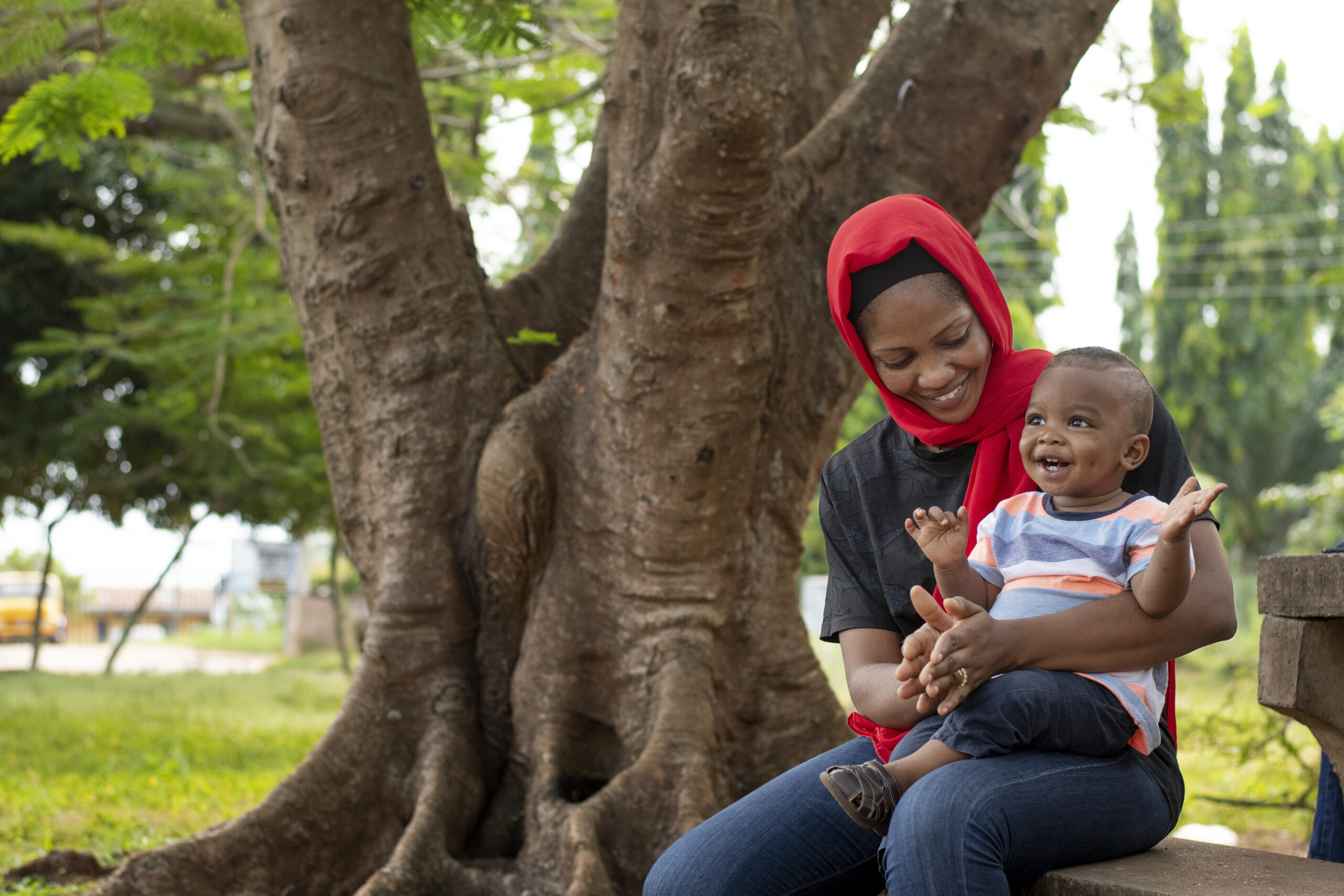
Addressing Teen Motherhood in Dzaleka, Malawi Location: Dzaleka Refugee Camp, Malawi Teenage pregnancy in a refugee setting like Dzaleka often leads to a cycle of poverty and poor health. Without support, these young girls are forced to drop out of school, facing both social stigma and medical risks. Our newest initiative in Malawi is changing that narrative. S.S.W.H. provides a dual-pathway program for teen mothers: We don’t just want these mothers to survive; we want them to thrive. By equipping them with a trade and a healthy start for their children, we are breaking the cycle of dependency one family at a time.
Launching Our Summer Art Camp in Charlotte

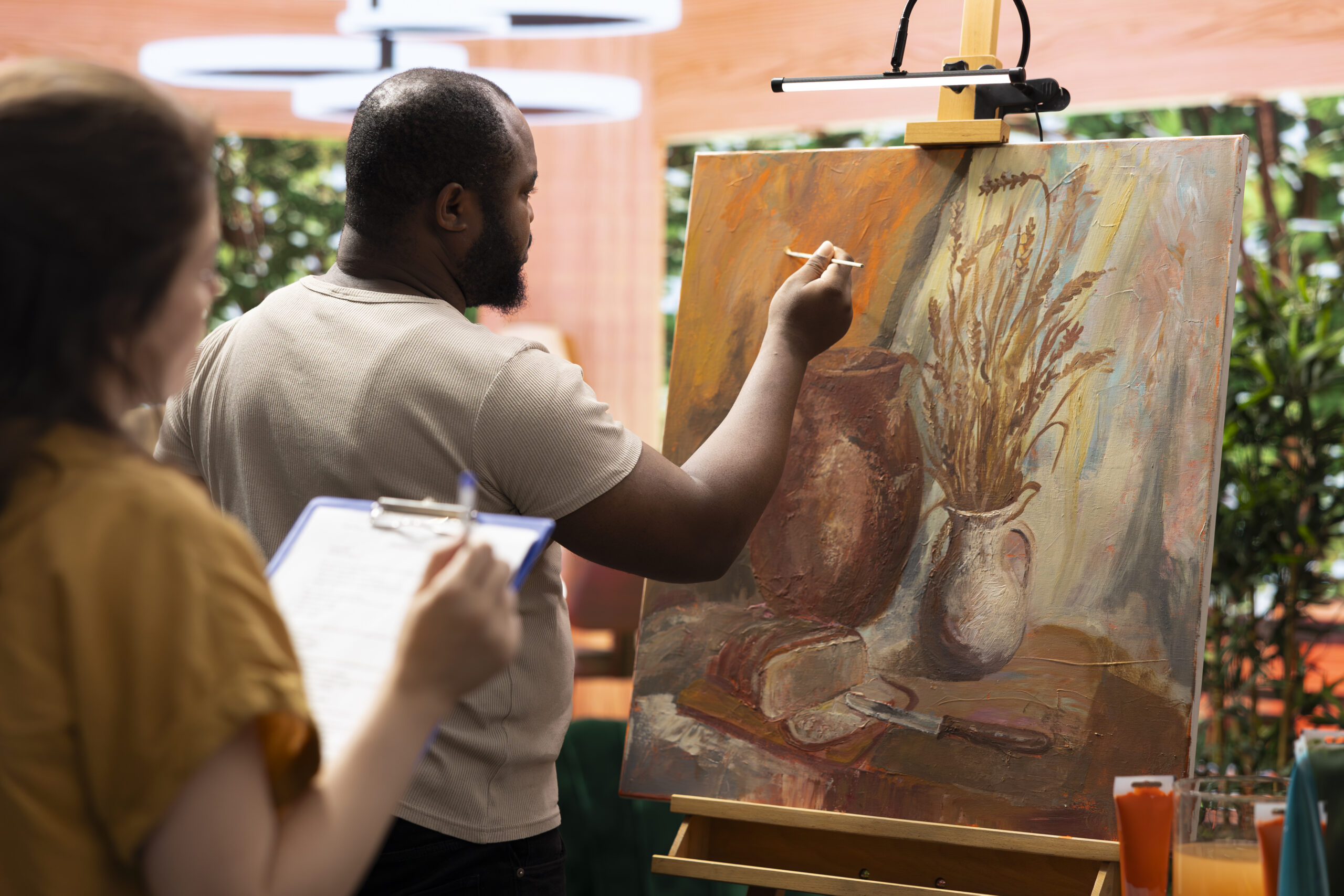
Location: Charlotte, North Carolina, USA For many immigrant families in Charlotte, the transition to a new country is filled with stress and financial pressure. Parents often work multiple jobs to build a foundation, leaving children with few outlets for creative expression or social integration. This June, S.S.W.H. is proud to launch our “Art & Play” Summer Camp. This program is designed specifically for children of low-income immigrant families. Beyond just “babysitting,” this camp uses art therapy and collaborative play to help children process the changes in their lives while building confidence and friendships. By providing a safe, free, and enriching environment, we aren’t just supporting the children—we are giving parents the peace of mind they need to focus on their work and their family’s future.

How Information Saved a Life in Fizi Territory

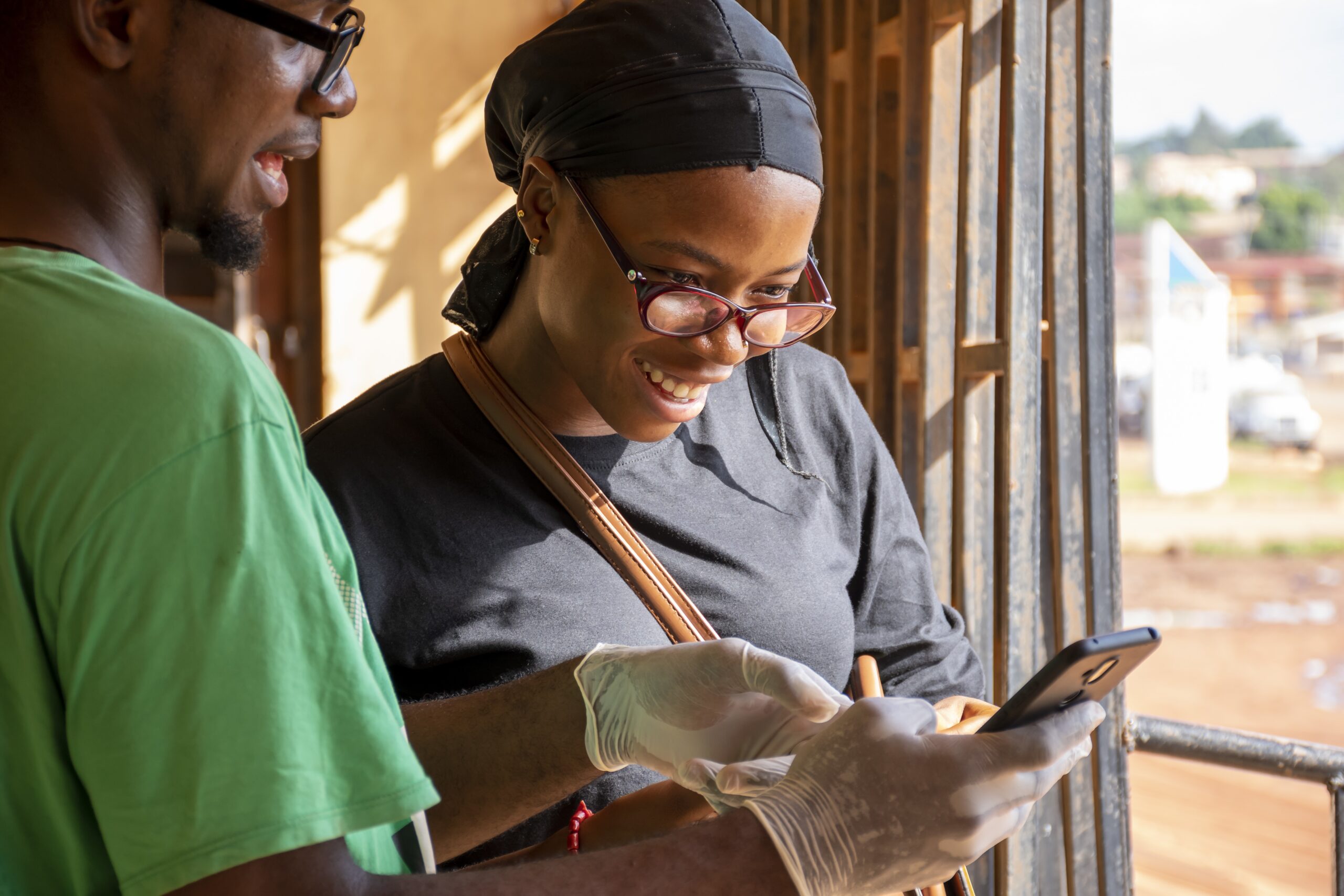
Location: Fizi Territory, South-Kivu, DR Congo In the remote villages of Fizi Territory, the distance between a home and the nearest clinic can be a matter of life and death. When the Mpox outbreak began to surface, Serve to Save Women’s Health (S.S.W.H) launched an immediate sensitization campaign to teach mothers how to identify symptoms before they became fatal. Mwajuma Jolie Doudu attended one of these sessions. Just days later, her son, Anicet, awoke with high fever and skin inflammations. While many in the village were unsure of what was happening, Mwajuma didn’t hesitate. “Because of the S.S.W.H. meeting, I knew exactly what I was looking at,” she shared. She rushed him to the medical center immediately. Thanks to her quick action, Anicet received treatment and recovered fully within a week. The Lesson: Health education isn’t just a lecture—it’s a shield. At S.S.W.H., we believe that an informed mother is the best doctor a child can have.

Why “Let Us Speak Health” Matters

Campaign: Global Advocacy Silence is one of the biggest barriers to women’s healthcare. In many of the communities where we work, topics like HIV/AIDS, reproductive health, and hygiene are considered “taboo.” This silence prevents women from seeking the screenings and treatments that could save their lives. Our “Let Us Speak Health” campaign is designed to break these barriers. We identify and train influential local women—market leaders, teachers, and elders—to become health ambassadors. When a woman hears about health from someone she already trusts, the fear disappears. Through peer-led debates and community gatherings, we are turning “hushed secrets” into “public health priorities.” When women speak, the community listens—and when the community listens, health outcomes improve for everyone.